The story.
20 years in music technology: first the studio, then the listener.
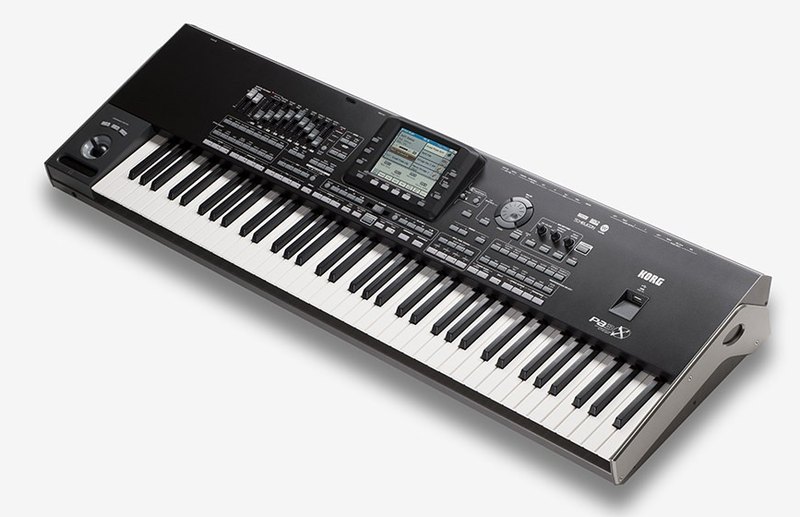
Inside Waves Audio, the company that put the studio into software: the consoles, the outboard gear and the ears of the engineers behind modern records, as plugins any musician could own. 6 years on that side, in the pro-audio division, with the studios, the schools and the engineers, Jack Joseph Puig and Manny Marroquin among them, and thousands of hours in studios before that. Then the other half: the consumer business, with product lines for playback, voice and spatial audio. Many products, one platform: a single engine carried across PCs, phones, TVs, speakers and headsets, and kept coherent through every operating system and chip generation.

Built inside a founders’ company.
The studio product is the founders’. From 2009, built its second business out of the semiconductor and licensing division: bootstrapped, run for 12 years as a division with its own P&L and its own name, Maxx. Reported to the CEO; from 2012, one of 5 executives running Waves, with everything outside the studio. It started with one algorithm, MaxxBass, and became a portfolio of dozens: rendering, capture, speech recognition, spatial audio and machine learning, with neural-network noise reduction in Dell laptops by 2019.
Owning the whole experience.
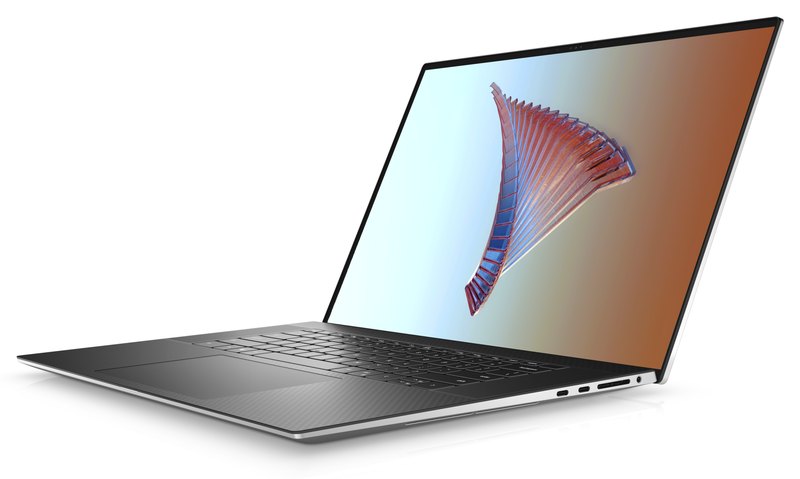
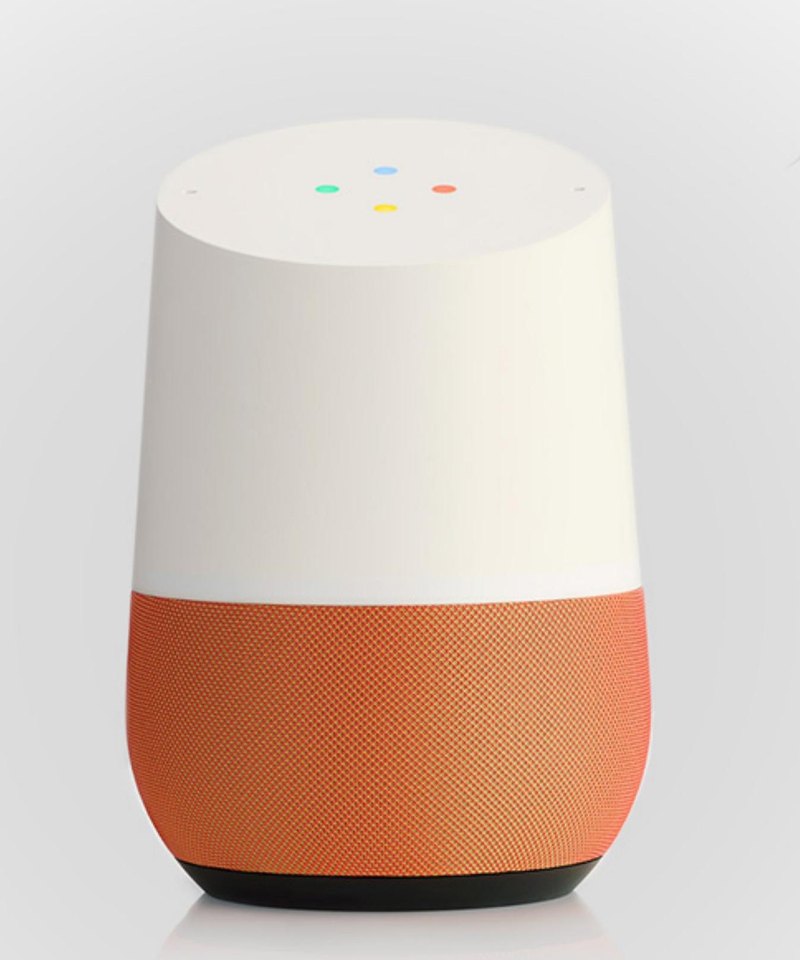
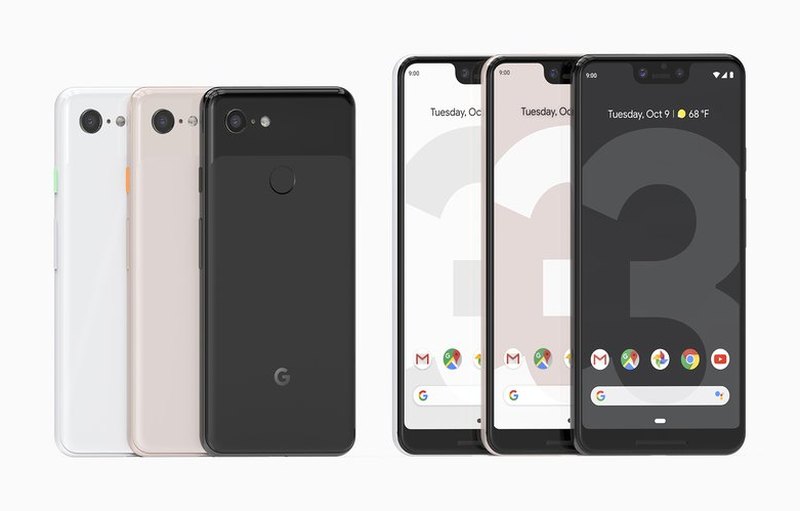
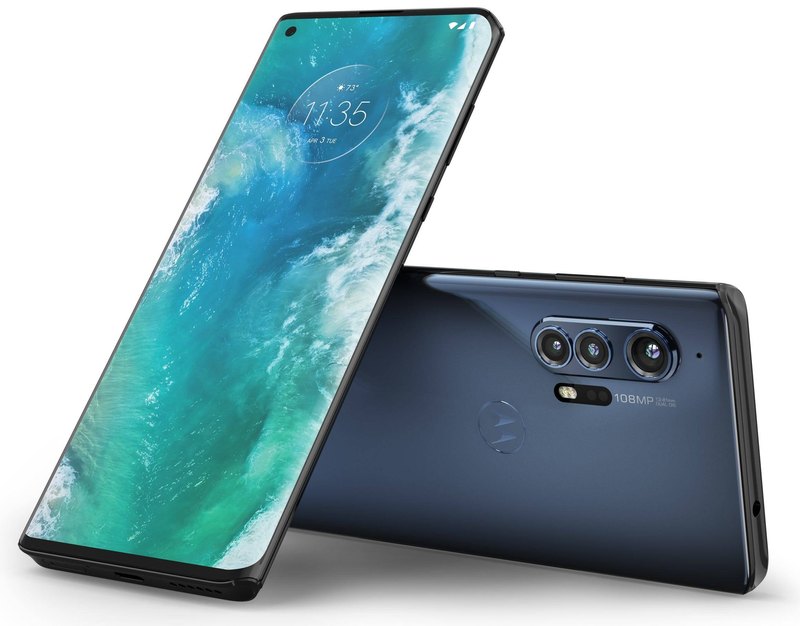
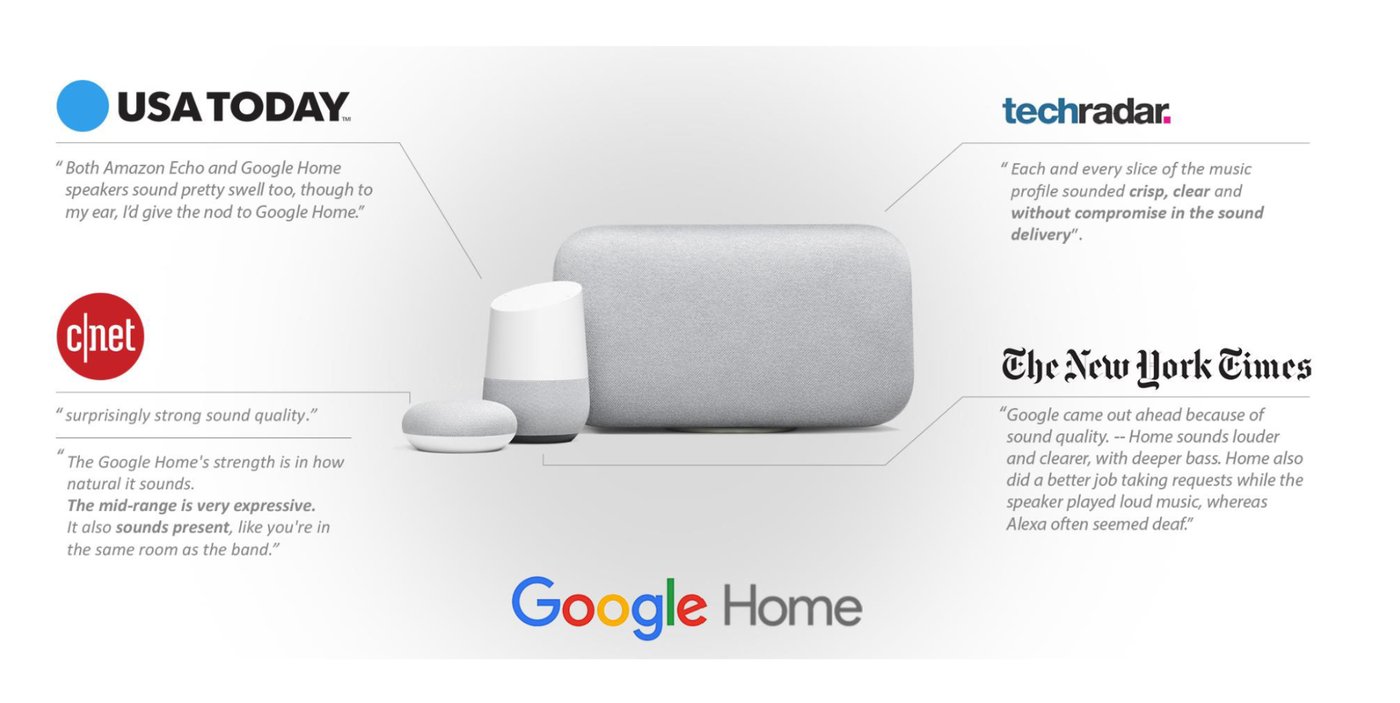
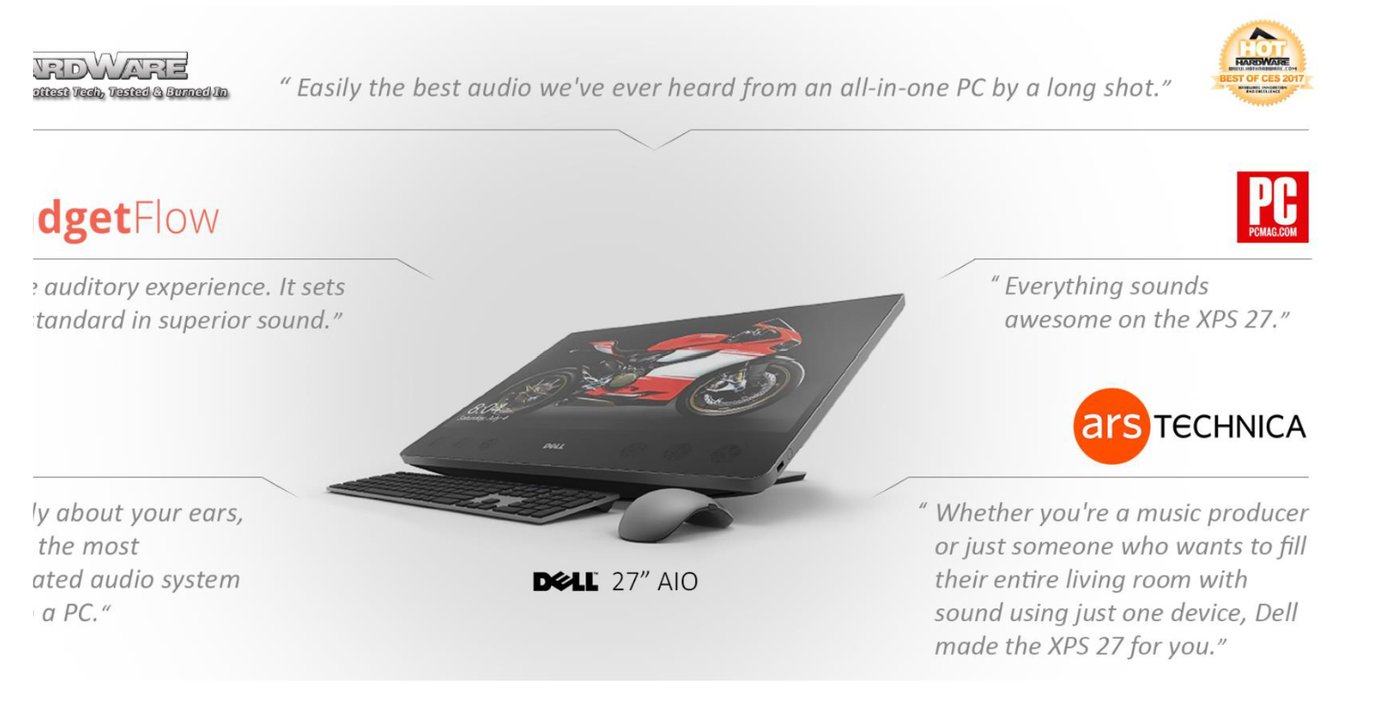
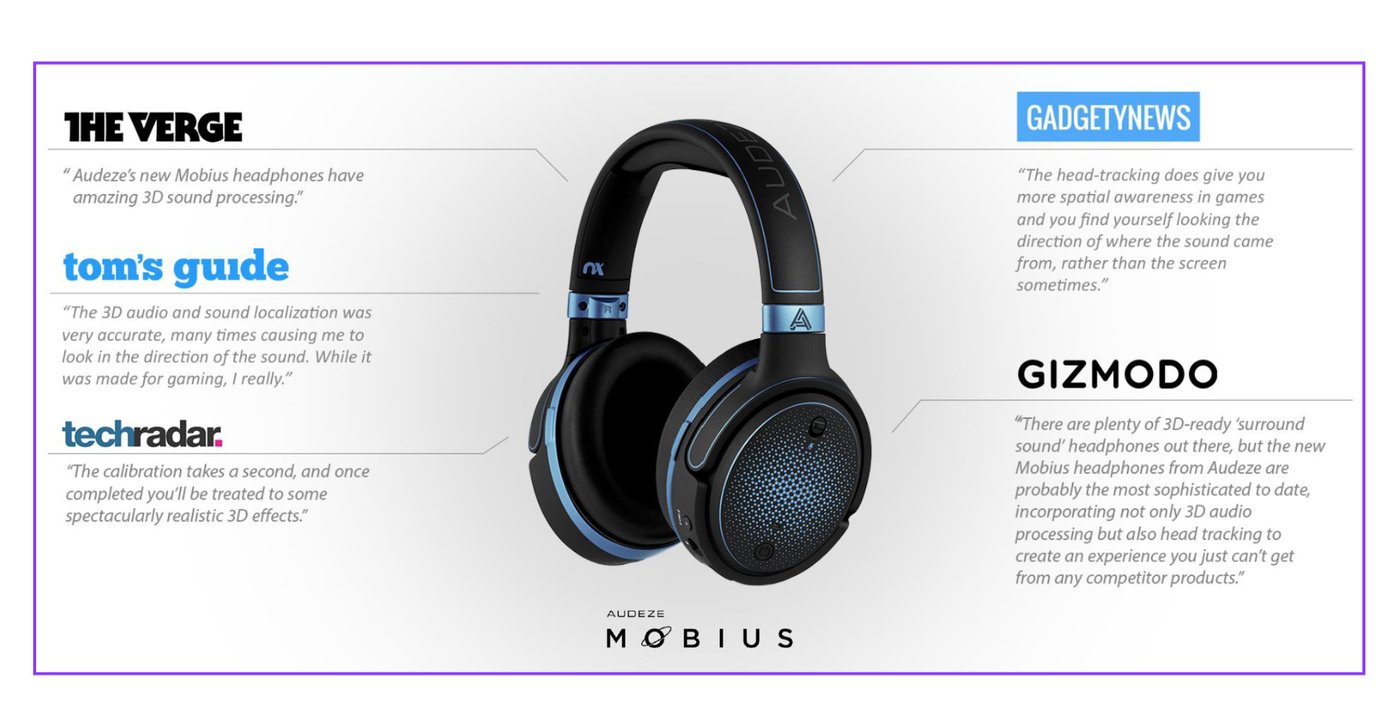
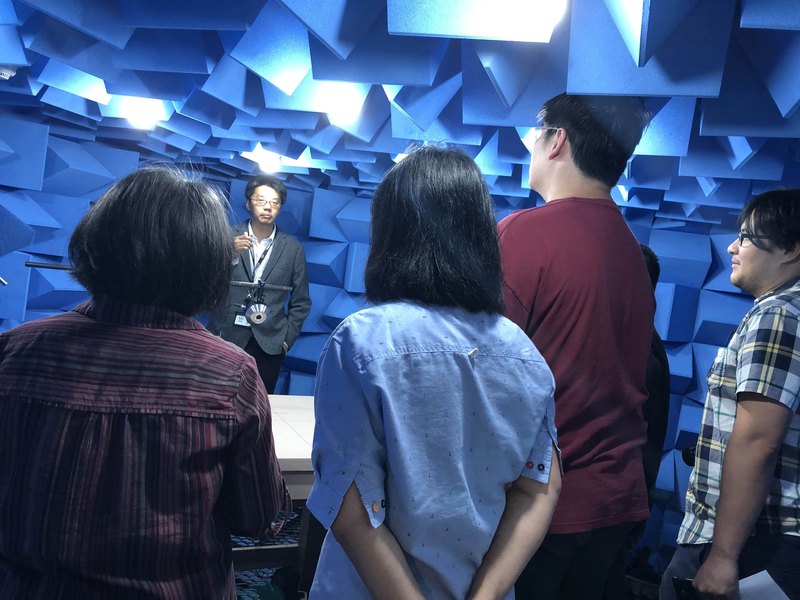
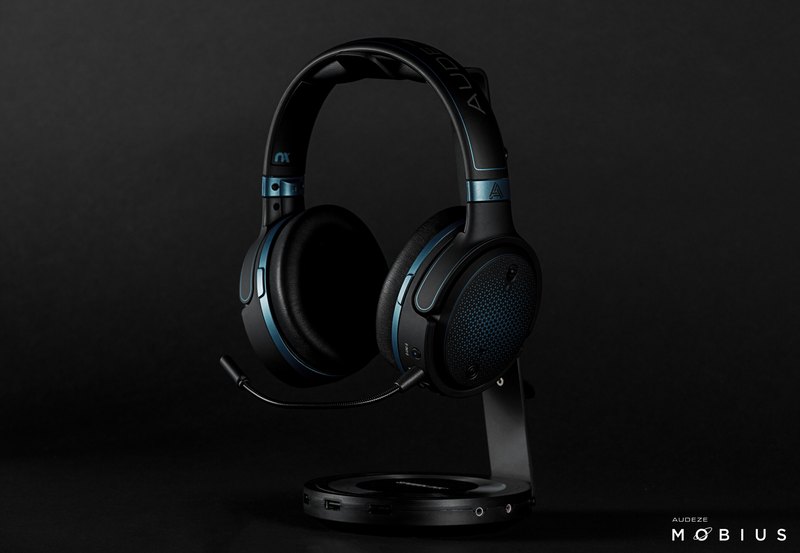
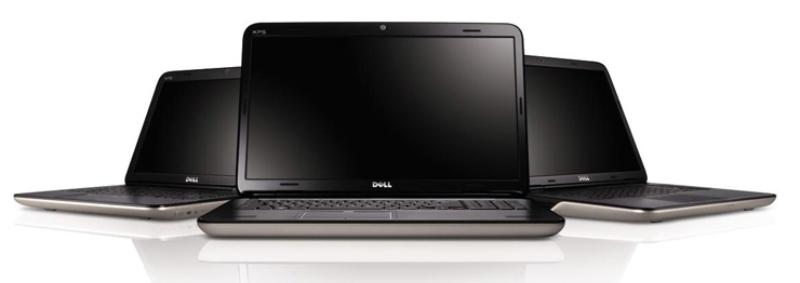
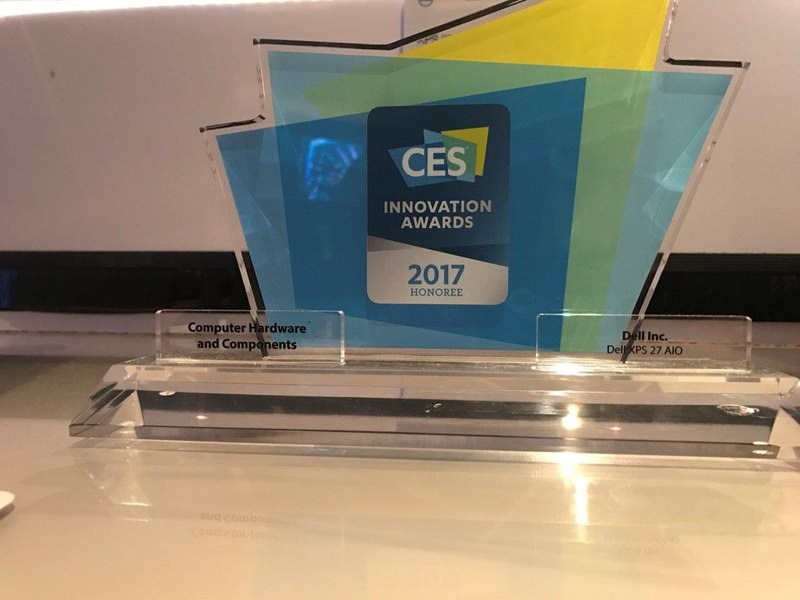
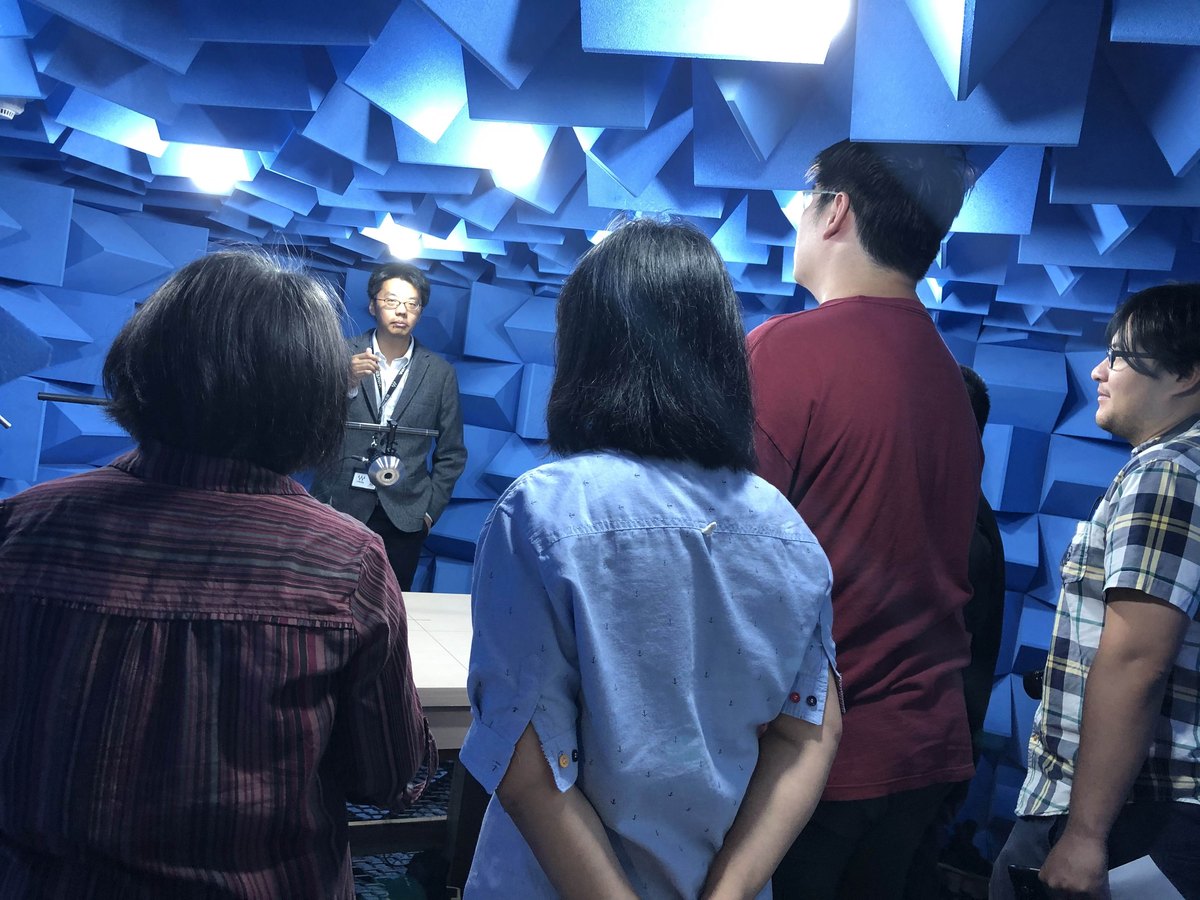
Sound in a device is algorithms, drivers, per-model tuning, the chip, the operating system and the launch. The consumer business ran all of it, down to a DSP core designed in its own Ukraine design center, with every model tuned in Taipei and Los Angeles. Design wins taken from Dolby, DTS and device makers’ own in-house teams. Judged by the listener: Google Home, the Dell XPS and the Audeze Mobius were praised for their sound by The New York Times, The Verge, CNET, PCMag and Ars Technica. Dell as a customer for 15 years.
Spatial audio, end to end.
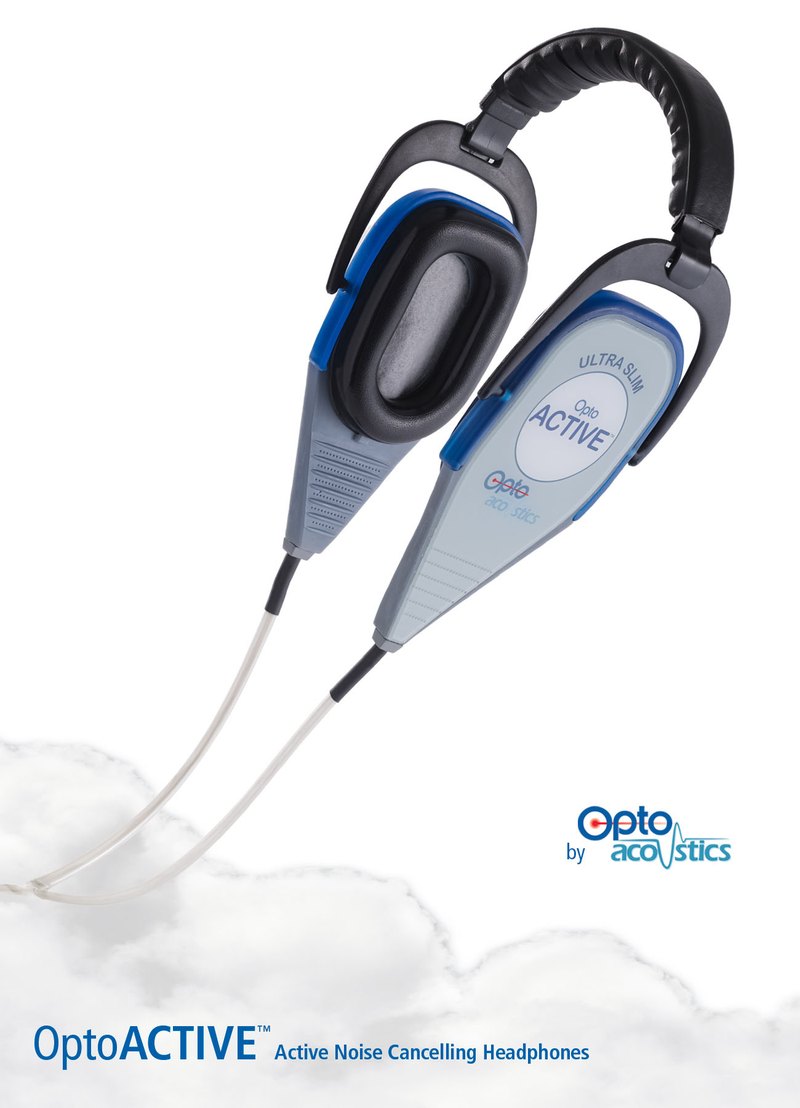
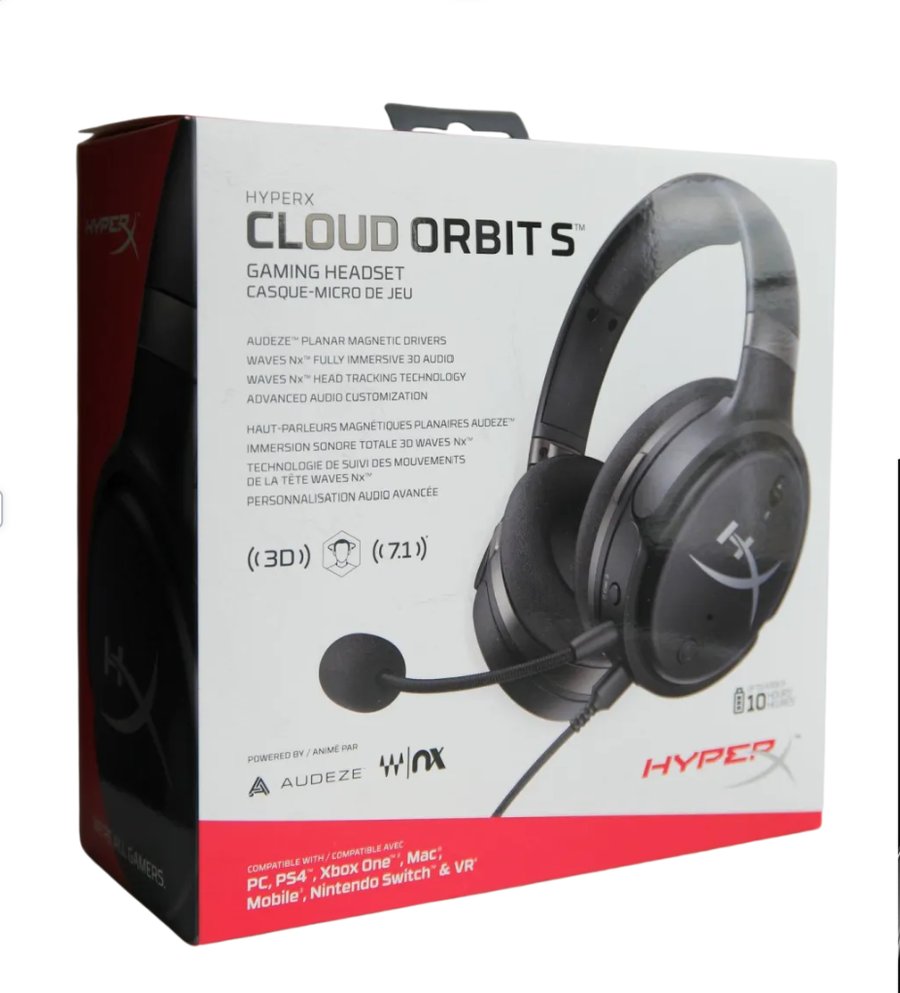
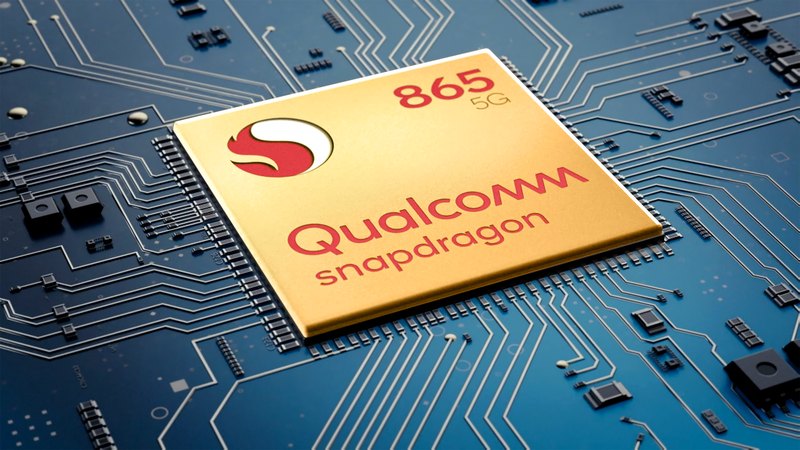
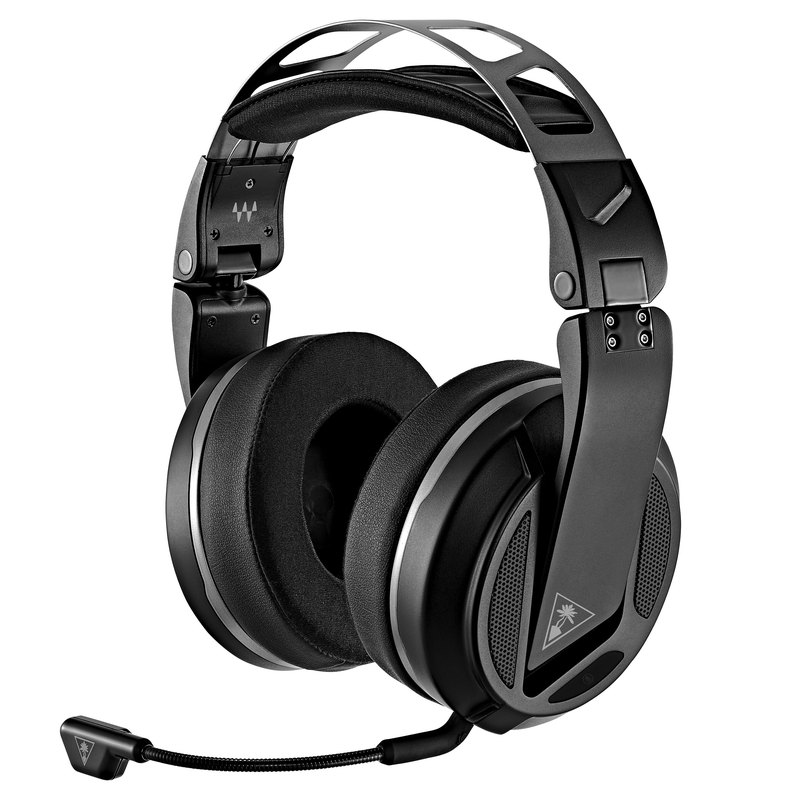
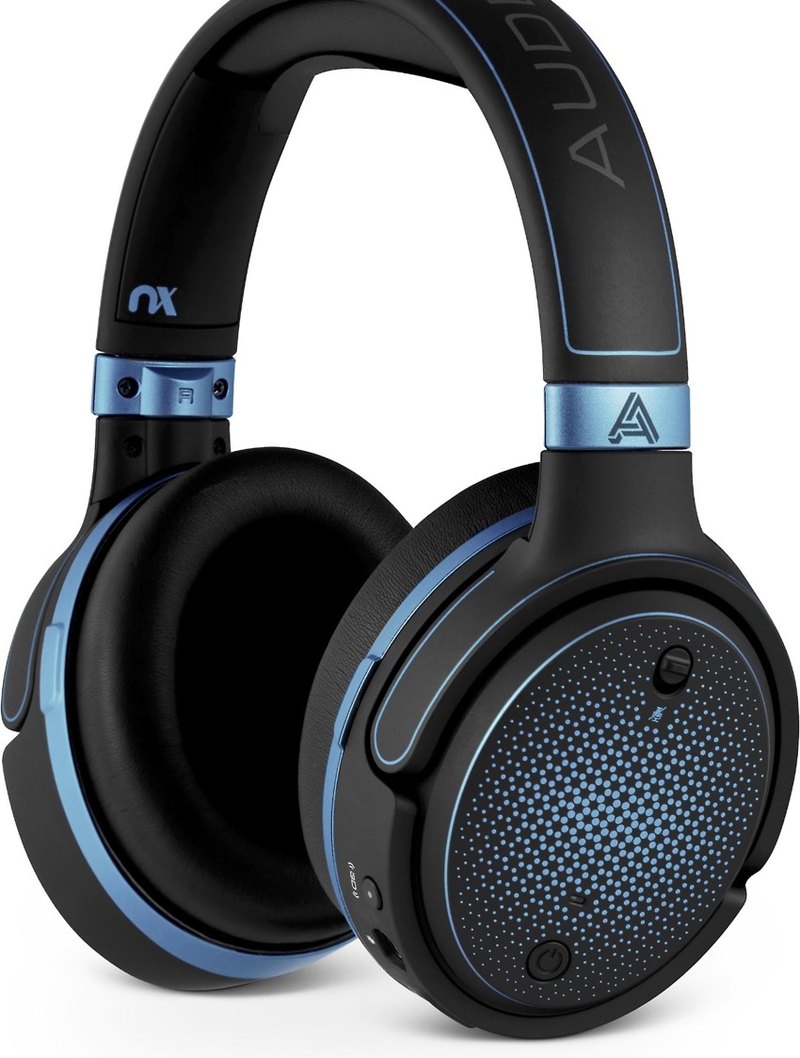
Waves Nx had two halves. The studio half: a virtual mix room that puts an engineer inside a reference room on any pair of headphones. The device half was the harder business: that accuracy in consumer products, with head tracking from motion sensors and cameras, rendered in real time to a professional standard. It took a chip of its own, built with Realtek. Sensor chips from other companies, integrated and calibrated. And an OEM deal covering integration, per-device tuning, a license fee and co-branding, with the Nx logo on the headset. Audeze first. Then the leaders of the category: HyperX on PC, Turtle Beach on console.
The same thesis, one layer up: OwlDuet.
Waves made the studio affordable: software in place of the console and the rack. But the sound still depends on expertise. The engineer’s ears, the physics, the years it takes to operate Pro Tools at a professional level. OwlDuet takes that expertise to the musician. Co-founded with Manny Marroquin, an 18‑time Grammy winner, it builds AI that turns what a musician means into the right action inside whatever software they already use. Next: the sound a Grammy-level engineer would get. Backed by an oversubscribed pre-seed round raised from music-industry and Silicon Valley executives.